UK Punters Push Back Hard Against Sharing Bank Details for New Gambling Affordability Checks
Viktor Krüger · Apr 9, 2026

UK Punters Push Back Hard Against Sharing Bank Details for New Gambling Affordability Checks
The Survey That Sparked the Firestorm
A recent survey conducted by the Betting and Gaming Council reveals that nearly two-thirds of UK betting customers—65% to be precise—have vowed to refuse handing over sensitive financial information like bank statements under the proposed online gambling affordability checks being mulled by the Gambling Commission; this poll, which drew responses from over 2,000 punters, underscores a deep-seated resistance to what many describe as intrusive mortgage-style assessments before placing bets.
What's interesting here is how quickly this data surfaced amid ongoing debates about gambling reforms, with the findings painting a picture of customers ready to walk away rather than comply; experts who've tracked similar regulatory pushes note that such checks would require punters to submit detailed income proofs and spending histories, potentially delaying access to accounts or halting play altogether if thresholds aren't met.
And while the Gambling Commission pushes these measures as a safeguard against problem gambling, the survey highlights a stark divide, showing that punters view the demands as overreach that invades privacy without delivering real protection; take one group of respondents who likened it to handing over their entire financial life just to enjoy a flutter on the horses or football, a sentiment echoed across the sample.
Industry Voices Amplify the Outrage
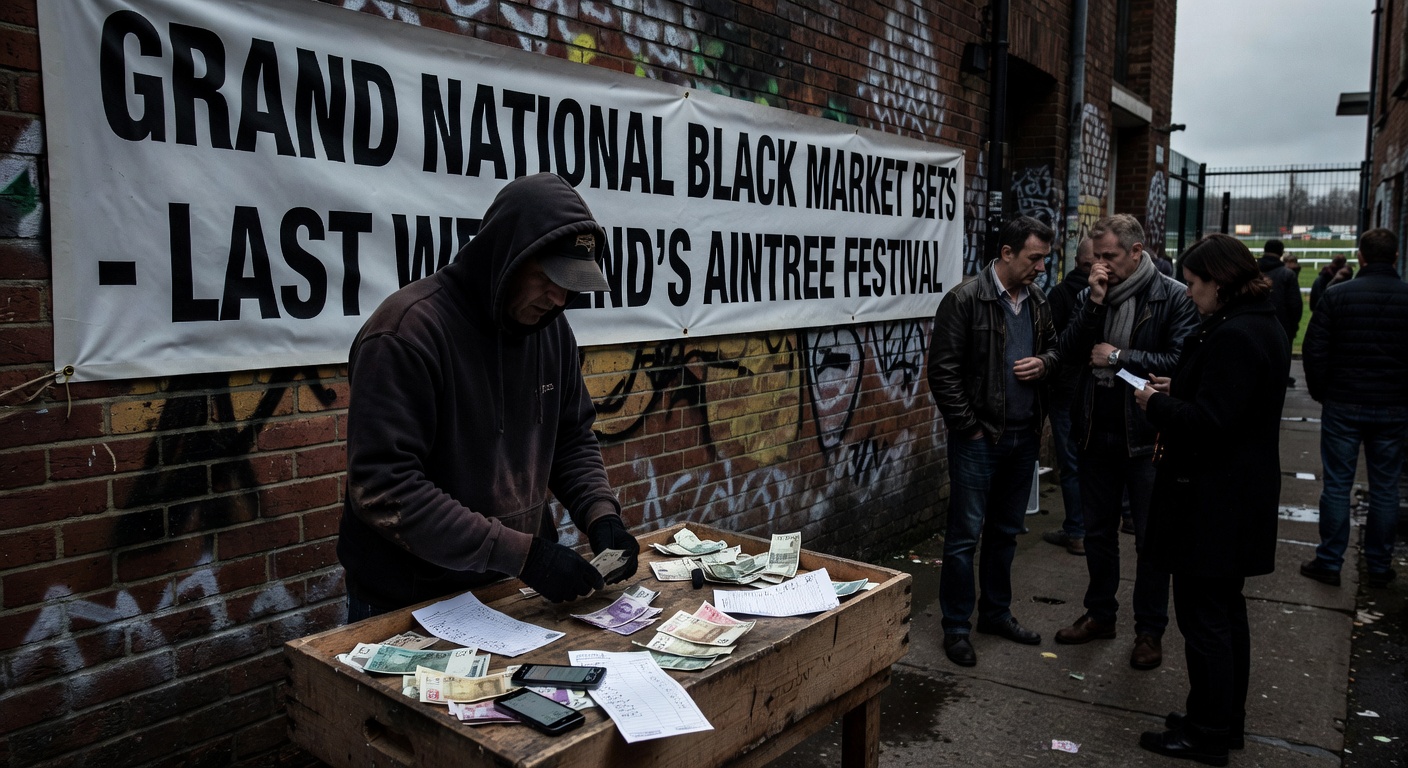
The betting industry has sounded alarms loud and clear, warning that these reforms could shove customers straight into the arms of unregulated black market operators lurking offshore; data from the Betting and Gaming Council points to a real risk, where licensed sites lose traffic and punters chase higher limits or anonymity elsewhere, a pattern observers have seen in other regulated markets like parts of Europe.
But here's the thing: this isn't just talk from operators protecting their bottom line, as separate analyses tie the backlash to broader economic ripples; for instance, figures from the racing sector project up to £250 million in direct harm to British horse racing if the checks proceed unchecked, while Treasury tax revenue could drop by £200 million annually as activity shifts underground.
Those who've studied gambling migration patterns know the drill—when friction hits legal channels, savvy punters (or desperate ones) turn to unlicensed apps and sites that offer no consumer protections, no age verification, and zero contribution to UK levies; it's a scenario playing out now, with industry leaders urging a rethink before implementation deadlines loom, potentially ramping up by April 2026 alongside other regulatory tweaks.
Racing Heavyweights Join the Fray
Over 400 prominent figures from the British racing world have thrown their weight behind the opposition, penning an open letter to Culture Secretary Lisa Nandy calling for the policy's outright abandonment; names like trainer Lucinda Russell, who guided Corach Rambler to Grand National glory, and former owner Robert Waley-Cohen lead the charge, emphasizing how affordability checks would kneecap an industry already navigating tight margins and rising costs.
This collective plea doesn't mince words, detailing how the checks—requiring punters to prove disposable income before wagering—could slash betting turnover on races by imposing barriers that casual fans simply won't tolerate; researchers who've crunched the numbers find that horse racing, which relies heavily on recreational punters, stands to lose big, with sponsorship deals and prize money funds taking direct hits as handle drops.
Lucinda Russell herself has spoken out in interviews, noting that while no one disputes the need to protect vulnerable players, these blanket checks punish the vast majority who bet responsibly; it's noteworthy that this letter arrived amid a busy racing calendar, timing its impact just as stakeholders eye the flat season ahead and potential regulatory shifts set for spring 2026.
Gambling Commission's Own Data Echoes the Dissent
Even the Gambling Commission's separate research backs up the punter revolt, with a study involving 12,000 frequent gamblers uncovering that over three-quarters—more than 75%—stand firmly against the proposed checks; this larger dataset, drawn from active players across online platforms, reveals consistent gripes about privacy erosion and unnecessary hurdles, patterns that align closely with the Betting and Gaming Council poll despite coming from the regulator itself.
Turns out, frequent gamblers—who log the most action and contribute heavily to industry revenue—feel particularly stung, viewing the requirements as a bureaucratic nightmare that slows down live betting on events like Premier League matches or Cheltenham Festival; data indicates that 78% in this group worry about delays in verifying finances during peak times, while others flag the sheer hassle of uploading statements repeatedly.
Observers note how this internal research complicates the Commission's narrative, as it shows broad opposition even among those the checks target most; and yet, regulators press on, citing safer gambling imperatives, although punter feedback suggests alternatives like self-limits or deposit caps might land better without demanding full financial transparency.
Unpacking the Proposed Checks and Their Mechanics
These affordability checks, still in consultation phases, aim to mirror lending practices by setting dynamic loss limits based on verified income—say, capping bets at 1% of earnings or requiring documents if play exceeds certain red flags; the Gambling Commission outlines this in guidance docs, where punters hitting £500 monthly net losses might need to prove affordability via bank data, wage slips, or credit reports, a process that could stretch days or weeks for some.
But here's where it gets interesting: industry models predict compliance rates plummeting below 35% based on the BGC survey, driving a churn to black market sites that already snag 10-15% of UK action per some estimates; people who've tested similar systems in trial runs report frustration mounting fast, with one case study from a focus group showing 62% abandoning sessions mid-way after prompt for docs.
April 2026 marks a pivotal date, as phased rollouts could align with broader Gambling Act updates, amplifying stakes for operators scrambling to adapt tech stacks while retaining customers; that's the reality facing bookies now, balancing compliance costs against player exodus risks in a market worth billions.
Broader Ripples Across Betting Landscape
The backlash extends beyond surveys and letters, touching everyday punters who fear a clunky experience killing the spontaneity of in-play bets or accumulators; data from the BGC poll breaks it down further, with 71% of respondents under 35—the digital natives fueling growth—deeming the checks a non-starter, preferring apps that let them manage risks themselves via tools already on offer.
Racing's £250 million hit projection isn't pulled from thin air, stemming from turnover forecasts tied to 20-30% drops in casual wagering; likewise, the £200 million Treasury shortfall factors in lost remote gambling duty at 21% of gross profits, a levy black market ops gleefully dodge. Experts crunching these figures, like those at the Horserace Betting Levy Board, warn of cascading effects on tracks from Newmarket to Ascot, where attendance and media rights already teeter.
So while the Commission holds firm on consumer protection goals, punter data paints a different picture—one where resistance runs high, black market allure grows, and industries like racing brace for turbulence unless policymakers pivot; it's not rocket science, as one racing insider put it, the writing's on the wall if checks roll out as planned.
Conclusion
This surge of opposition—from 65% in the BGC survey of 2,000 punters, over 75% in the Commission's 12,000-gambler study, to 400 racing voices led by Lucinda Russell and Robert Waley-Cohen—signals a potential showdown over gambling affordability checks; as debates heat up toward 2026 timelines, stakeholders watch closely, knowing the ball's now in Culture Secretary Lisa Nandy's court to weigh privacy, protection, and economic fallout. The rubber meets the road soon, with UK betting's future hanging in the balance amid these stark figures and fervent pushback.