Illegal Betting Sites Set to Capture £40 Million During Royal Ascot Event
Cameron Berger · Jun 25, 2026

Illegal Betting Sites Set to Capture £40 Million During Royal Ascot Event
Operators running illegal gambling platforms stand to take in stakes totaling around £40 million across the five days of the Royal Ascot festival according to figures released by the Betting & Gaming Council and the event brings together horse racing enthusiasts from across the country while also drawing attention from unregulated betting sites that operate outside UK licensing rules.
The Scale of Unregulated Activity at Major Events
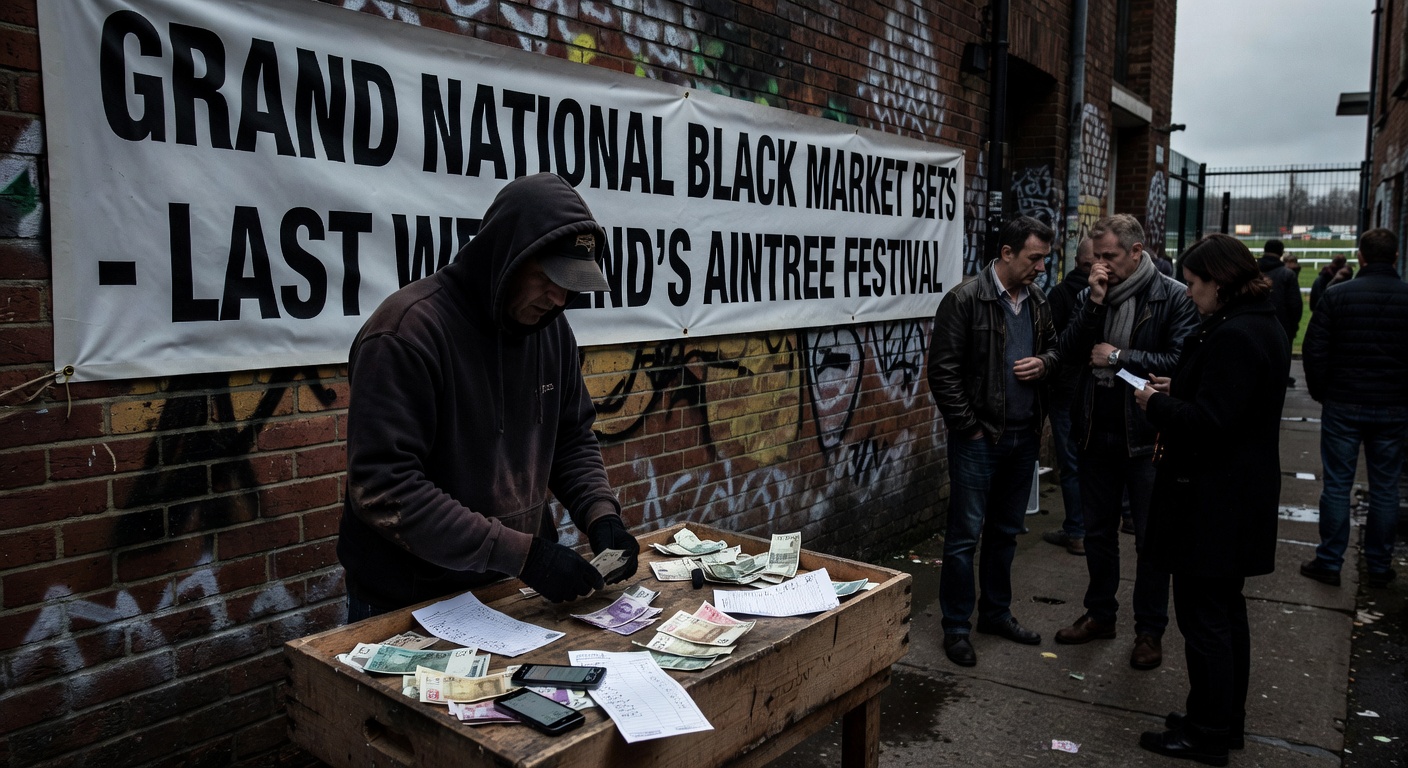
Those who track gambling patterns have observed that major sporting occasions create spikes in activity on black market websites and the Betting & Gaming Council points out that these platforms capture significant volumes without contributing to taxes or providing the safeguards required of licensed operators. During Royal Ascot the combination of high-profile races and widespread media coverage creates an environment where illegal sites can attract customers seeking quick access to betting options that avoid standard verification processes.
Data indicates the black market now accounts for nearly half of all gambling advertising spend in the UK and this share has grown as operators promote their services through channels that target audiences during peak events like the festival held each June. Observers note that the absence of consumer protections on these sites leaves participants exposed to risks that licensed operators must address through age verification and responsible gambling tools.
How Policy Choices Influence Market Shifts
Policy decisions around taxation and regulation carry direct consequences for where customers place their bets and higher duties on licensed operators can push some users toward unregulated alternatives that offer lower margins or fewer restrictions. The Betting & Gaming Council has highlighted that such shifts reduce the overall tax contributions collected from the sector while simultaneously removing the oversight mechanisms designed to protect participants.
Researchers who examine these dynamics have found that events such as Royal Ascot amplify the effect because the concentrated period of racing generates intense interest and illegal operators respond by increasing promotional efforts timed to coincide with the festival schedule. This pattern repeats across other major fixtures yet the five-day duration of Ascot produces a particularly noticeable concentration of activity on unregulated platforms.
Consumer Protections and Revenue Implications
Licensed operators must adhere to strict standards that include funding for problem gambling support and payment of duties that support public services whereas illegal sites operate without these obligations. The Betting & Gaming Council warns that the growth of the black market therefore creates a dual loss for the regulated sector through reduced market share and for the public purse through forgone tax revenue.
Figures from independent analysis on gambling advertising spend reveal that black market operators allocate substantial resources to visibility during high-traffic periods and this strategy allows them to reach audiences who might otherwise use licensed platforms. Those who monitor enforcement actions note that shutting down individual sites proves challenging because new domains appear rapidly and cross-border operations complicate regulatory responses.
Looking Ahead to June 2026
As preparations continue for the 2026 Royal Ascot festival scheduled for mid-June the same dynamics are expected to recur with illegal operators positioning themselves to capture stakes from customers who encounter advertising or promotions outside the licensed environment. The Betting & Gaming Council continues to track these trends and provides updates on how market conditions evolve in response to both event calendars and policy adjustments.
Stakeholders in the licensed gambling sector have examined ways to maintain competitiveness while meeting regulatory requirements and discussions around tax structures remain central to these considerations. Data collected during previous festivals shows consistent patterns of black market growth that align with increased advertising presence and the absence of equivalent consumer safeguards on unregulated sites.
Conclusion
The £40 million in projected stakes on illegal platforms during the upcoming Royal Ascot period underscores the ongoing challenge facing the regulated UK gambling market and the Betting & Gaming Council documentation connects this activity to broader trends in advertising spend and policy impacts. Observers continue to monitor how enforcement measures and tax settings shape customer choices across major events while licensed operators maintain the frameworks that deliver both protections and revenue contributions.