Illegal Betting Sites Poised to Flood UK Airwaves with £1 Billion Ad Blitz by 2028
Harper Baumann · Apr 25, 2026

Illegal Betting Sites Poised to Flood UK Airwaves with £1 Billion Ad Blitz by 2028
The Surge in Projections
A fresh research study lays out stark numbers; illegal betting sites in the UK stand to pump £1 billion yearly into advertising by 2028, eclipsing what licensed operators shell out, all fueled by tax hikes and affordability checks that shove players toward shadowy black market corners. By October 2026, total gambling ad spending across the UK hits £1.9 billion, with the illicit slice claiming £845 million—a brisk 32% jump from the year before. Researchers who crunched these figures highlight how recent regulatory squeezes accelerate the shift, pushing unregulated platforms to grab market share through aggressive promo blitzes.
What's interesting here lies in the pace; legitimate bookies reel from higher taxes biting into margins, while affordability hurdles—like mandatory checks on spending habits—deter punters from sticking with compliant sites that demand ID verification and loss limits. Turns out, black market operators dodge those entirely, luring frustrated bettors with unrestricted access and sweeter odds, even if it means zero consumer safeguards.
Breaking Down the Numbers
Data from the study paints a clear trajectory; illegal ad budgets climb steadily from current levels, hitting that £845 million mark by late 2026 before barreling toward the billion-pound milestone two years on. Legit operators, squeezed by a 2024 tax bump on online gross gambling revenue—now at 21% for remote betting—allocate less to marketing, their spends projected to lag far behind. One analyst notes how this flips the script; unregulated sites, free from levy payments, redirect savings straight into ads plastered across social media, search engines, and affiliate networks.
And by April 2026, as spring racing heats up with Cheltenham and Aintree drawing massive punter traffic, those illegal pitches intensify, capitalizing on high-stakes events where players seek quick, unchecked wagers. Figures reveal the illegal sector's ad outlay already nipping at legit heels, with year-on-year growth rates that outstrip inflation or market expansion by double digits.
Short and sharp: the math doesn't lie. Total ad pot swells to £1.9 billion by October '26, but illicit players snatch nearly half, underscoring a market fracture widening under policy pressure.
What Fuels the Black Market Boom
Tax hikes hit first; the UK government's 2024 budget slapped remote betting firms with a pointier levy, prompting licensed giants like Flutter and Entain to trim fat everywhere, including ad budgets that once dominated airwaves. Affordability checks pile on; since mid-2024, operators must flag risky behavior via frictionless tools, pausing accounts if losses spike—moves that frustrate casual bettors who bolt to offshore sites offering seamless play without the nanny-state vibe.
Observers point out how this exodus builds momentum; players fed up with deposit caps or stake limits migrate to unregulated havens, where VPNs mask locations and crypto payments evade traces. But here's the thing: those platforms ramp up visibility to reel in more, flooding Google searches and Instagram feeds with glossy promos promising "no limits, instant wins." Studies tracking ad impressions show illegal sites now rival legit ones in volume, a trend set to peak as regulations tighten further into 2026.
Take one case researchers flagged; a punter hits affordability walls on a licensed app during a Premier League flurry, switches to a black market mirror site in seconds, and dives back in unchecked—multiplied across millions, that's the revenue engine revving illegal ad machines.
Consumer Perils in the Shadows
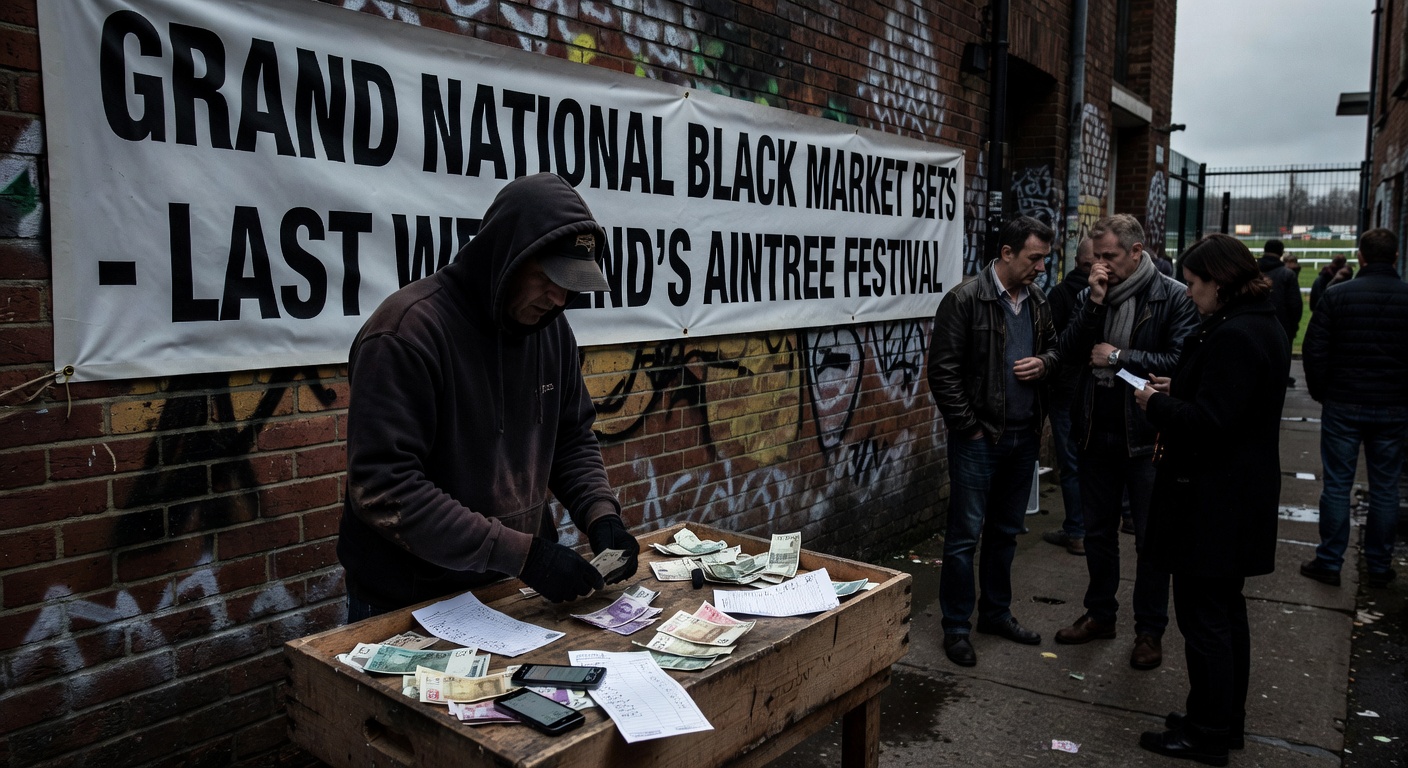
Unregulated sites pack hidden dangers; without UK Gambling Commission oversight, players face rigged odds, sudden account wipes, or data theft, since these operations skirt all player protection protocols like self-exclusion via GamStop. Evidence from victim reports piles up; thousands lose savings annually to scams masquerading as betting hubs, with no recourse when payouts vanish into ether.
That's where the rubber meets the road for regulators; illegal platforms lure with teasy bonuses—100% matches no strings attached—but deliver malware-laden apps or endless verification loops to stall withdrawals. Data indicates vulnerable groups, from young adults chasing footy accumulators to problem gamblers evading blocks, swell these ranks fastest, amplifying addiction risks sans intervention tools.
Yet enforcement ramps; Google yanked 270 million dodgy gambling ads in 2025 alone, deploying AI filters to scrub search results and YouTube placements, while the UKGC pursues domain blocks and fines on payment processors feeding illicit flows. Still, whack-a-mole persists, as new domains pop up weekly, ad budgets ensuring they stay loud.
Regulators and Tech Giants Push Back
The UK Gambling Commission leads the charge; recent sweeps shuttered dozens of rogue operators, partnering with ISPs for site blocks that now hit 75% effectiveness, per internal metrics. But ad wars escalate in tandem; illegal outfits pivot to influencers and podcast plugs, harder to police than banner blasts.
Google's role looms large—those 270 million nuked ads in '25 stemmed from policy tweaks post-2024, scanning billions of impressions daily for geo-fencing fails or unlicensed claims. Researchers tie this to broader trends; as ad tech evolves, black market players exploit gray zones like user-generated content or affiliate loopholes, keeping pace with crackdowns.
Now, with April 2026 looming and budget consultations underway, policymakers eye ad caps or white-listing—measures that could blunt the billion-pound surge, although industry lobbyists warn of stifled competition. One expert panel reviewed similar EU models, finding blocks cut illegal inflows by 40%, yet ad spends adapted swiftly.
So the cat-and-mouse unfolds; enforcers log wins like Payment Services Directive tweaks starving offshore banks, but projections hold firm unless policies pivot hard.
Broader Market Ripples
Legit operators feel the pinch acutely; ad share erosion means fewer new customers, stunting growth amid a £15 billion annual gross win market. Those who've tracked this note how black market ads erode trust, tainting the whole sector as punters conflate shady pop-ups with reputable brands.
It's noteworthy that football and horse racing draw the heaviest barrages; Premier League weekends see illegal overlays on official streams, while Grand National hype in spring '26 amplifies the flood. Case in point: one monitoring firm caught 500,000 illicit impressions during a single matchday, dwarfing compliant efforts.
And while crypto betting sites lead the pack—thanks to anonymity perks—traditional mirror brands cloned from UK faves proliferate too, mimicking interfaces to hook the unwary.
Conclusion
These projections from the WARC research paper crystallize a pivotal shift; by 2028, illegal betting sites command £1 billion in UK ad firepower, propelled by tax squeezes and check frictions that black marketeers exploit ruthlessly, although enforcers like the UKGC and Google mount fierce resistance with blocks and sweeps. Total spends crest at £1.9 billion by October 2026, illicit chunk at £845 million up 32%, signaling consumers must navigate rising risks from unregulated lures lacking any safety nets. As April 2026 unfolds with its racing festivals and league climaxes, the ad onslaught tests resolve on all sides, with data underscoring the urgent need for adaptive safeguards to reclaim the high ground.