How Elevation Reshapes MLB Totals Betting Dynamics
Harper Baumann · Aug 13, 2026
How Elevation Reshapes MLB Totals Betting Dynamics
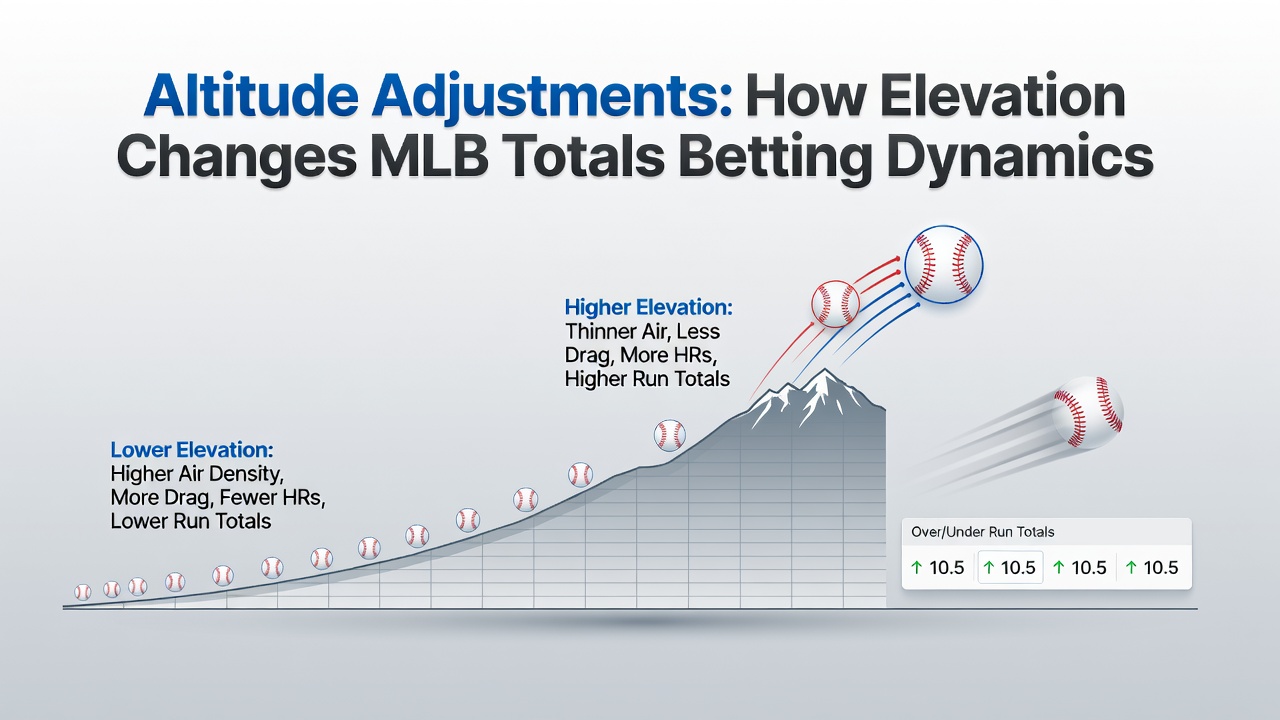
High-altitude venues alter baseball flight paths in measurable ways that directly influence run totals and over-under wagering lines across the league. Researchers at institutions such as the University of Colorado have documented how reduced air density at elevations above 4,000 feet allows batted balls to travel farther while also affecting pitch movement and stamina for pitchers who are unaccustomed to the thinner atmosphere. Data compiled through the 2025 season and into August 2026 shows that teams playing at Coors Field post run totals that average 1.8 runs higher per game than the league norm, a pattern that shapes betting markets well before first pitch.
Atmospheric Factors Driving Scoring Changes
Lower air pressure at mile-high locations reduces drag on the baseball, which means fly balls carry an additional 20 to 30 feet compared with sea-level parks; this physical reality translates into more home runs and extra-base hits that push game totals upward. Observers note that humidity levels and temperature interact with elevation, so a warm August afternoon in Denver amplifies the effect while cooler evening games moderate it slightly yet still produce elevated scoring. Pitchers experience quicker fatigue because oxygen intake decreases, leading to more walks and harder contact as innings progress, and these cumulative factors create predictable shifts in totals lines that sharp bettors track across multiple seasons.
Historical Data Patterns at Coors Field
MLB records from 2010 through August 2026 reveal that Coors Field games have finished over the total in 54 percent of contests, a rate that exceeds the league average and holds steady even after adjustments to the ballpark's humidor system. Visiting teams often see their pitchers surrender higher earned-run averages during road trips to Colorado, while home-team offenses capitalize on the environment to generate multi-run innings that stretch scoring margins. Analysts at research organizations such as the National Oceanic and Atmospheric Administration have correlated these outcomes with precise barometric readings, confirming that daily atmospheric pressure readings serve as reliable indicators for projecting whether totals will land above or below posted lines.
Betting Market Adjustments and Line Movement
Sportsbooks respond to these elevation-driven trends by inflating totals at Coors Field and similar high-altitude sites, yet residual value remains when public perception lags behind updated statistical models. Sharp money frequently lands on the over early in the week when lines open at conservative numbers, then pushes totals higher as game day approaches and weather data becomes clearer. Conversely, road teams returning to sea-level venues after a Denver series sometimes post suppressed scoring in their next contest, a rebound effect that creates under opportunities in subsequent matchups and illustrates how altitude impacts extend beyond the immediate series.
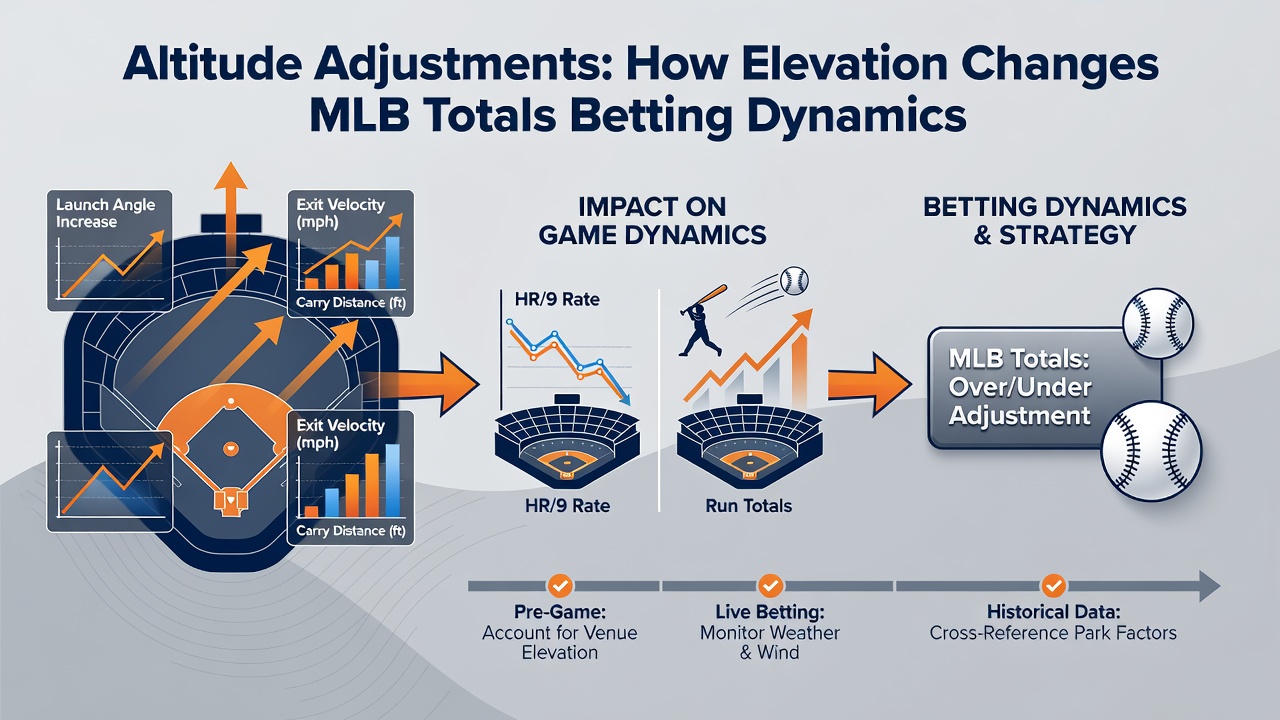
Teams that schedule multiple series at elevation within a short window face compounded roster challenges, since bullpen arms and starting pitchers require additional recovery time that affects run prevention in follow-up games. Data from the 2026 season shows that clubs playing three or more consecutive high-altitude series experience a measurable drop in overall run production once they descend, a pattern that influences both totals and side wagering across the schedule. Those who monitor advanced metrics such as park-adjusted expected run values gain an edge by identifying when lines have overreacted to recent results rather than underlying atmospheric conditions.
Regional Variations and Travel Considerations
Although Coors Field remains the most prominent example, other venues at moderate elevation such as Chase Field in Phoenix and certain spring-training sites in Arizona produce milder yet still detectable scoring increases that require separate modeling. Travel logistics compound these effects, because cross-country flights followed by rapid altitude changes disrupt player sleep cycles and acclimation periods, leading to additional variance in game totals that oddsmakers attempt to price into opening lines. Research conducted by academic groups at institutions outside the United States, including studies coordinated through Canadian sports science programs, has examined similar altitude transitions in other leagues and found parallel patterns that support MLB-specific observations.
Conclusion
Elevation continues to serve as a measurable variable that reshapes MLB totals betting markets through documented physical and performance effects. Consistent tracking of atmospheric data, historical scoring trends, and line movement at high-altitude parks allows participants to identify where markets have incorporated or overlooked these factors as the 2026 season progresses.