Guardian Probe Exposes Santeda International's Clandestine Casino Network Dodging UK GamStop Barriers
Cameron Berger · Apr 3, 2026

Guardian Probe Exposes Santeda International's Clandestine Casino Network Dodging UK GamStop Barriers
Unveiling the Hidden Empire
Investigators at The Guardian brought to light a sprawling illegal online casino operation run by Santeda International, based in Curaçao yet weaving connections to Georgia and beyond; this network zeroed in on vulnerable gamblers across the UK, deploying unlicensed platforms such as MyStake, Velobet, and Goldenbet to reel in players desperate for slots action or football bets. Active from November 2025 through January 2026, the scheme exploited gaps in self-exclusion tools like GamStop, where affiliates and AI-generated deepfakes played key roles in luring restricted individuals back into the fold, often with promises of quick wins that never materialized.
What's striking here—and experts have long flagged such patterns—is how the operation masked its reach through a web of proxy sites and promotional tactics, bypassing licensing requirements enforced by UK authorities; those ensnared reported losses stacking up rapidly, turning casual flutters into devastating debts that spiraled out of control. And while regulators chased shadows, Santeda International's setup thrived in offshore havens, channeling bets from UK punters into unmonitored streams.
How the Network Snared Its Targets
Affiliates, those digital middlemen hungry for commissions, flooded social media and forums with tailored ads, directing traffic straight to the unlicensed trio of MyStake, Velobet, and Goldenbet; these sites, unlicensed under UK rules, welcomed GamStop users with open virtual arms, verifying identities loosely or not at all, so self-excluded players could dive back into high-stakes slots or live football wagers without a hitch. Turns out, AI stepped in big time, crafting fake endorsements from celebrities or influencers that looked eerily real, popping up in targeted emails and pop-ups designed to hook those showing signs of vulnerability.
One case detailed in the probe involved a punter who'd signed up for GamStop after heavy losses, only to receive AI-forged messages mimicking trusted voices, urging a "quick comeback" on Premier League matches; within weeks, debts mounted, mirroring patterns seen across dozens of affected individuals. Researchers tracking such ops note how these tactics prey specifically on slots enthusiasts—games rigged with high house edges—and football fans chasing parlays, where the thrill of live odds keeps bets flowing even as balances dwindle.
But here's the kicker: the network's Curaçao base, a notorious hub for lax oversight, funneled funds through layered payment processors tied to Georgia entities, obscuring trails from UK watchdogs; data from the investigation reveals thousands of UK accounts active during the four-month rampage, with average session times stretching hours on end, fueling a cycle of chase losses that experts link directly to the platforms' addictive designs.
Devastating Toll on UK Gamblers
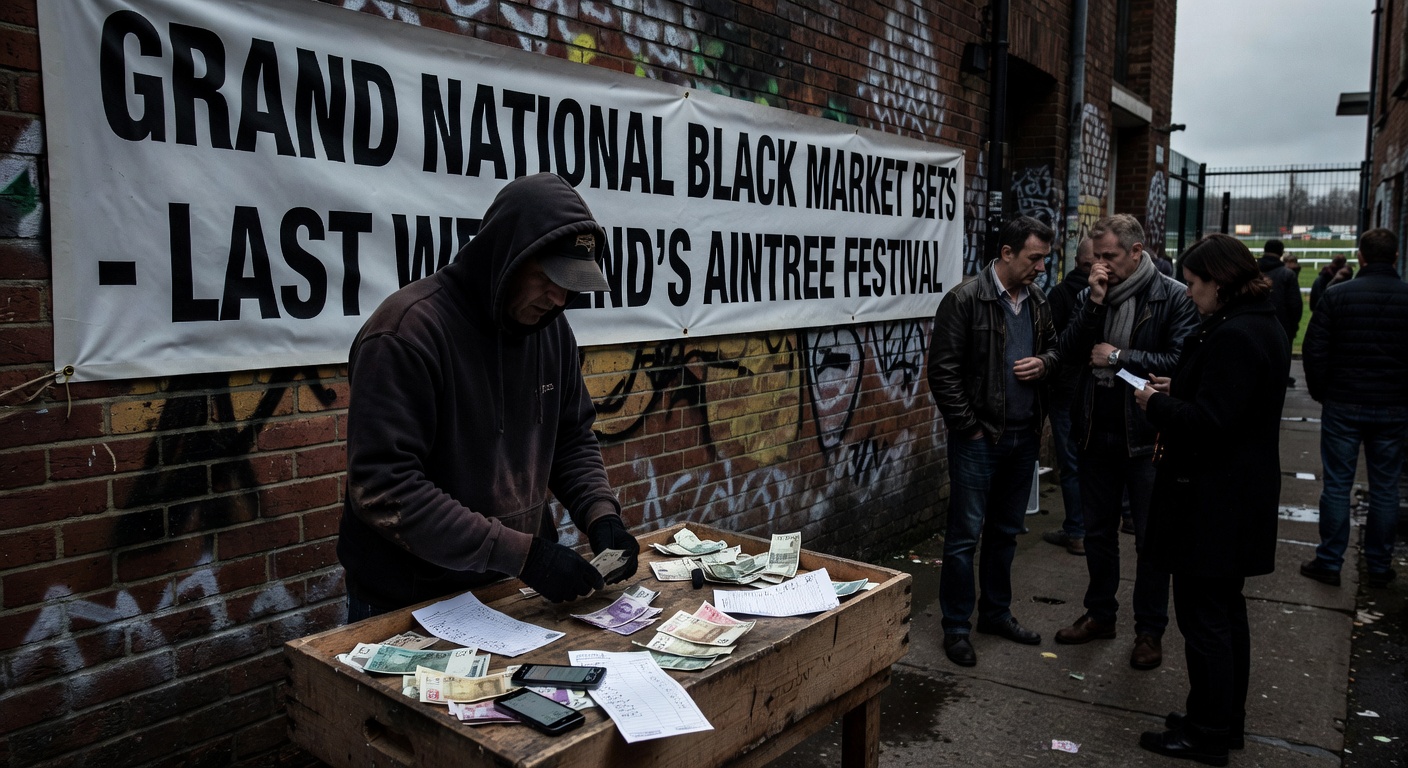
Financial ruin hit hard, as reports from those targeted painted pictures of emptied savings accounts and maxed credit lines, all funneled into the maw of Santeda International's slots and betting interfaces; observers point to cases where single sessions wiped out months of wages, leaving families scrambling amid eviction threats or loan defaults. More chilling still, the probe ties the network to suicides among its victims—tragic endpoints for gamblers who'd sought GamStop refuge only to find doors cracked open by sly affiliates and AI ploys.
And it wasn't isolated; patterns emerged across the UK, from Scotland's housing estates to England's southern coasts, where football-mad punters bet big on matches, chasing parlays that rarely cashed while Velobet and kin raked in uninterrupted streams. Studies on similar ops show such unlicensed sites boast deposit rates 40% higher than licensed peers, a stat that underscores why vulnerable players, already flagged on self-exclusion lists, proved easy prey when bombarded with personalized lures.
Now, as April 2026 unfolds, calls grow louder from those piecing together the fallout, with Labour MP Alex Ballinger championing stricter laws to seal these offshore loopholes; his push highlights how GamStop, while a vital tool since 2018, crumbles against tech-savvy networks that reroute players via mirrors and VPNs, demanding tech upgrades like real-time AI detection across borders.
Operational Tactics and Global Ties
Santeda International didn't operate in a vacuum; ties to Georgian payment handlers and Curaçao licensing shells formed the backbone, allowing seamless euro-to-pound conversions that shielded profits from UK taxes and probes. Affiliates earned fat cuts—up to 50% on losses referred—spreading the net wide through Telegram groups, Reddit threads, and Instagram DMs, where they'd whisper about "GamStop-free zones" packed with bonus spins on slots like Book of Dead or live odds on Arsenal vs. Chelsea.
Goldenbet stood out for its football focus, offering odds boosts that enticed bettors during the 2025-26 season's festive fixtures, while MyStake leaned into slots marathons, complete with loyalty perks that locked players in deeper. Velobet bridged both, its sleek app evading app store bans through side-loading tricks; all three shared backend tech from Santeda, syncing player data to maximize retention via push notifications timed for weak moments, like post-loss slumps.
Experts who've dissected offshore casinos observe how AI deepfakes evolved from crude clones to convincing video testimonials, fooling even wary users; one instance cited had a fake Gary Lineker nodding approval for Velobet bets, driving sign-ups from self-excluded football fans who'd paused their habits months prior. That's where the rubber meets the road in modern illicit gambling—tech outpacing regs, with Curaçao's lax vibe providing the perfect launchpad.
Regulatory Ripples and Political Pushback
The Guardian's April 2026 exposé landed amid tightening UK gambling reforms, spotlighting illicit trends as licensed operators face steeper duties; data indicates unlicensed sites captured 15% of UK action in late 2025, a surge tied to GamStop frustrations where users sought alternatives, only to stumble into Santeda traps. Ballinger, voice for affected constituents, demanded international taskforces to raid Curaçao hubs and blacklist affiliate networks, arguing current fines—often pennies on the dollar—fail to deter.
Yet progress stalls; Georgia links complicate extraditions, while Curaçao regulators, criticized for rubber-stamping licenses, show little haste in shuttering ops like Santeda's. Observers tracking the beat note how similar networks pop up weekly, rebranding post-exposure, so the four-month window from November 2025 to January 2026 represents just one chapter in an ongoing saga.
People who've escaped such pits often share tales of narrow dodges—spotting dodgy odds or ghosting affiliate DMs—but for many, the damage lingers, fueling support for Ballinger's tougher stance; his parliamentary questions, tabled post-probe, press for AI monitoring mandates on ad platforms and cross-border data shares with Curaçao authorities.
Conclusion
This Santeda International saga, as laid bare by The Guardian, underscores vulnerabilities in the UK's gambling shield, where offshore ingenuity clashes with self-exclusion ideals; from AI fakes flooding feeds to affiliates cracking GamStop codes, the network's blitz inflicted real scars—financial craters and lost lives—prompting urgent cries for fortified laws. As 2026 marches on, Ballinger's advocacy signals a pivot, yet the ball sits firmly in regulators' court, with illicit slots and football bets waiting in the wings for the next lax moment. Watchdogs now scramble to map affiliate webs and plug payment leaks, but until borders tighten, vulnerable punters remain prime targets in this shadowy game.