Evoke's William Hill Faces Shop Closures: 200 UK Betting Outlets Targeted from May 2026 Amid Surging Costs and Tax Burdens
Viktor Krüger · Apr 6, 2026

Evoke's William Hill Faces Shop Closures: 200 UK Betting Outlets Targeted from May 2026 Amid Surging Costs and Tax Burdens
The Announcement That Rocked the High Street
British betting group Evoke, best known as the owner of the iconic William Hill brand, dropped a bombshell in late March 2026 when it revealed plans to shutter around 200 UK betting shops starting in May; this move, confirmed via Bloomberg News reports picked up by Reuters, stems directly from escalating operational pressures that have squeezed margins across the sector. Observers note how such announcements, coming just as spring betting seasons ramp up in April 2026, send ripples through local communities already navigating economic headwinds, while Evoke positions the closures as a necessary pivot in a fast-changing landscape.
And here's the reality: these aren't random cuts but part of a calculated strategy, with the company eyeing efficiency gains as online platforms continue to dominate customer traffic; data from industry trackers shows physical shops now handle less than a quarter of total wagers in the UK, a shift that's accelerated post-pandemic. Yet William Hill's high-street presence, once a staple with over 2,300 outlets at its peak, now faces trimming that could alter familiar streetscapes from London to Leeds.
Unpacking the Drivers: Costs Climb While Taxes Bite
Rising operational costs form the core rationale, as Evoke highlights expenses tied to staffing, utilities, and maintenance that have ballooned in recent years; but what's notable is the direct link to higher taxes rolled out in the UK government's autumn budget last year, measures that slapped additional levies on gambling firms and eroded profitability overnight. Figures reveal these tax hikes, aimed at curbing sector excesses, added millions to annual burdens for operators like Evoke, prompting executives to rethink brick-and-mortar footprints that no longer pencil out.
Take the budget specifics: adjustments to remote gaming duty and other fiscal tweaks, implemented swiftly, caught many off guard although analysts had flagged vulnerabilities months prior; this combo of inflating rents—up 15% in prime locations per recent commercial property reports—and wage pressures from national living adjustments has turned once-viable shops into loss leaders. So as April 2026 unfolds with punters flocking to tracks for the Grand National buildup, Evoke's timeline aligns closures with summer lulls, minimizing disruption while signaling deeper structural woes.
Strategic Overhaul: From Potential Sale to Shop Rationalization
This shop cull emerges amid broader maneuvers at Evoke, including a potential company sale first floated in December 2025 as part of an ongoing strategic review; board members, navigating overtures from private equity players and rivals alike, see divestitures as a path to unlock value in a consolidating market. Researchers who've tracked similar plays, like those in American Gaming Association analyses of global operator consolidations, point out how such reviews often lead to asset pruning before big transactions, with Evoke's moves fitting that pattern precisely.
What's interesting here is the synergy: closing underperforming shops not only trims fat but enhances appeal to buyers scouting leaner operations; Evoke's portfolio, bolstered by William Hill's legacy sports betting dominance, draws interest despite headwinds, as digital revenues—now over 70% of the mix—shine brighter. And while the sale process hums in the background, April 2026 updates from company filings suggest due diligence ramps up, potentially accelerating timelines if bids firm up.
Government Crackdown Sets the Stage
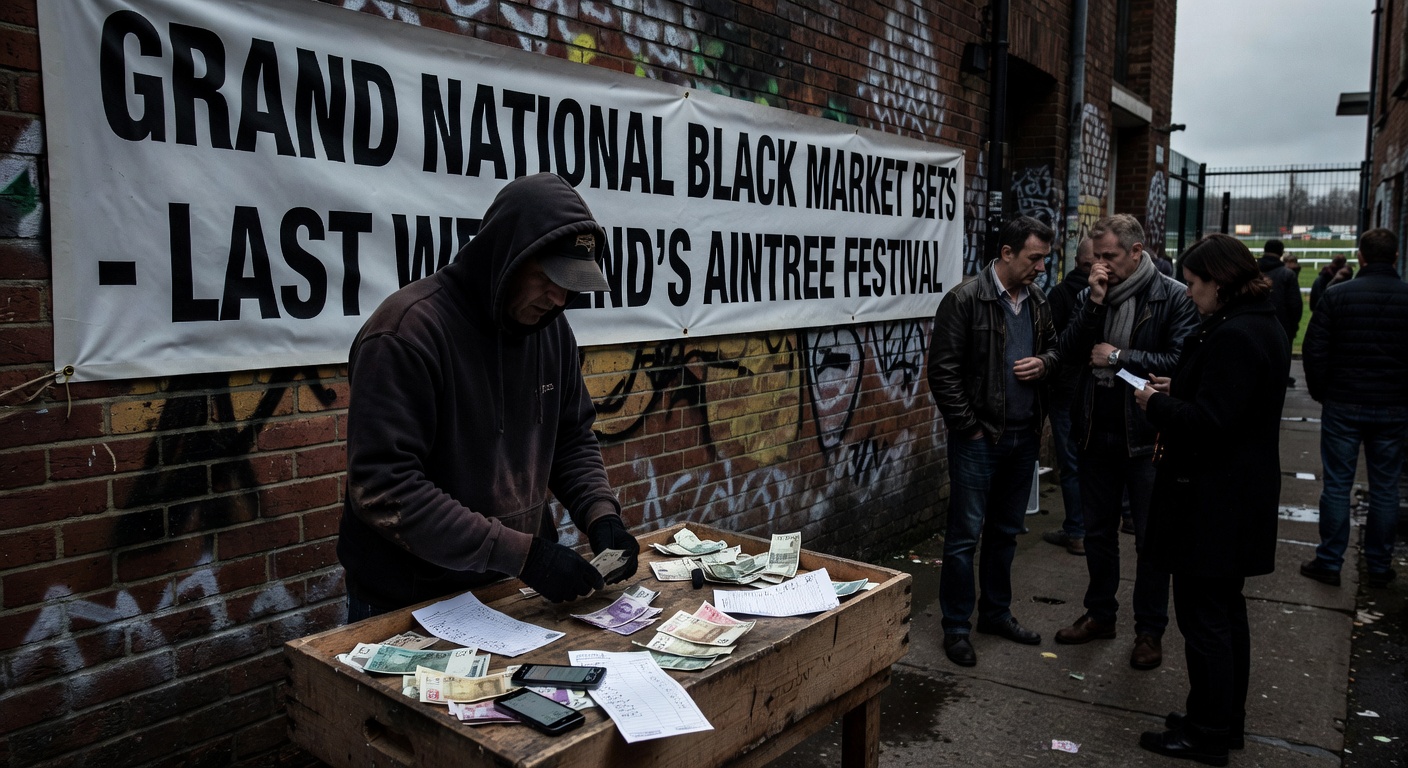
Evoke's predicament unfolds against an intensifying government crackdown on gambling, with policies layering on restrictions that favor digital shifts over physical venues; although specifics vary, the autumn budget's fiscal punches—coupled with prior affordability checks and stake limits—have reshaped operator playbooks, pushing firms toward consolidation. Those who've studied parallels, such as Australian operator responses documented in Journal of Gambling Studies reviews from Down Under regulators, observe how tax escalations there spurred similar shop rationalizations, a blueprint now evident in the UK.
Turns out, the crackdown's momentum, building since 2023 consultations, culminates in these budget realities that hit land-based ops hardest; high streets, already battered by retail declines, lose another anchor as betting shops—employers of thousands—face cull. Data indicates Evoke's 200 closures could impact 1,000-1,500 jobs, based on average staffing per outlet, although redeployments to online support roles offer some buffer.
Ripple Effects on Jobs, Communities, and Punters
Local economies feel the pinch first, with betting shops serving as hubs in underserved areas where they provide not just wagers but social touchpoints; closures slated from May 2026 onward, potentially wrapping by year-end, coincide with peak football seasons, forcing regulars to adapt via apps or rival outlets. Experts tracking employment data note how previous waves—like Ladbrokes' 2020 trims—led to localized unemployment spikes, although retraining programs from industry bodies softened blows.
But here's where it gets real for bettors: William Hill loyalists, accustomed to in-person slips and screens, now pivot online where Evoke's platforms boast competitive odds on Premier League clashes and Cheltenham echoes still fresh in April minds; the shift accelerates a trend where mobile wagering hit record highs last quarter, per operator disclosures. Communities rally too, with unions pressing for consultation periods that could stretch timelines, buying time amid economic uncertainty.
Industry Parallels and What Observers Expect
Evoke isn't alone; peers like Entain and Flutter have trimmed shops in response to identical pressures, creating a domino effect across Britain's 6,000-plus betting outlets; studies from the European Journal of Risk Regulation highlight how EU-wide fiscal harmonization influences UK paths, with tax parity driving efficiencies. One case stands out: a mid-tier operator in 2024 shuttered 150 sites post-budget preview, rebounding via digital focus that boosted shares 20% within months—a trajectory Evoke watchers anticipate.
Now, as April 2026 progresses with earnings calls looming, stakeholders parse every filing for sale progress; the ball's in Evoke's court, balancing shareholder returns against regulatory scrutiny, while punters adapt seamlessly in an industry where change, though disruptive, rarely halts the action. And that's the rubber meeting the road: closures clear deadweight, paving ways for innovation amid crackdowns that spare no one.
Conclusion
Evoke's plan to close 200 William Hill shops from May 2026 underscores a pivotal moment, driven by relentless cost rises and tax impositions from last year's budget, all woven into strategic reviews hinting at a full sale; this development, unfolding now in April's betting fervor, mirrors broader sector pivots under government pressures that favor digital over doors. Observers track job shifts and community adaptations closely, knowing such moves reshape high streets while online realms expand; ultimately, the industry's resilience shines through, as firms like Evoke navigate toward sustainable models in a regulated evolution.