Black Market Bookies Cash In: Up to £100 Million Staked on Grand National with Unlicensed Operators
Iris Jung · Apr 18, 2026

Black Market Bookies Cash In: Up to £100 Million Staked on Grand National with Unlicensed Operators
The Grand National Surge and Underground Betting
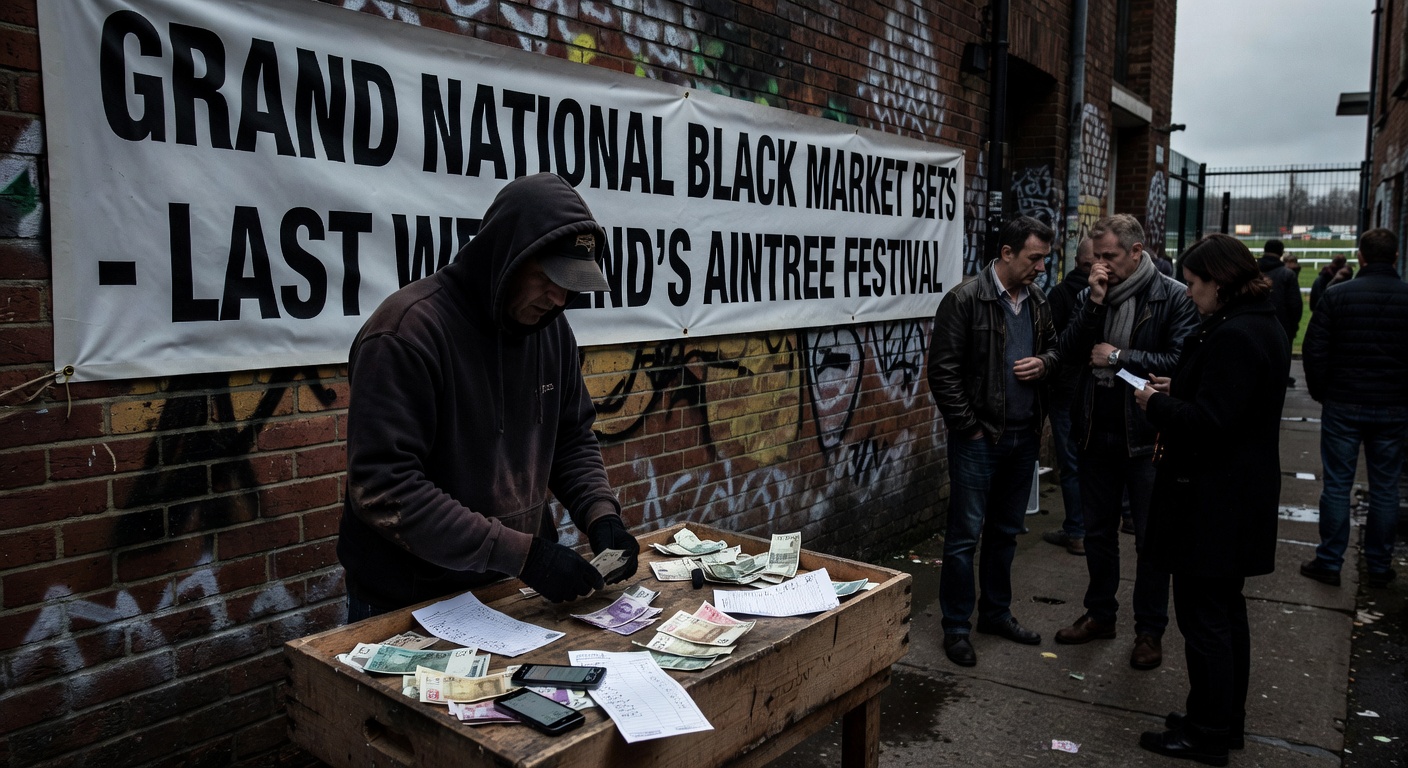
Last weekend's Grand National at Aintree Festival drew massive crowds and even bigger bets, but while licensed bookmakers handled their share, criminal operators siphoned off up to £100 million across the entire event—including as much as £40 million on the main race itself; observers note how this black market boom targeted millions of punters who ended up without any consumer protections, turning what should have been a regulated thrill into a risky gamble.
The Betting and Gaming Council (BGC) spotlighted these figures, revealing how unlicensed bookies exploited the festival's hype; data indicates that such operators lured bettors with promises of better odds or fewer restrictions, all while operating beyond the reach of UK regulators.
And here's where it gets interesting: the Grand National, one of the world's most famous steeplechase events held annually at Aintree near Liverpool, consistently attracts punters from across the UK and beyond, with official attendance topping 150,000 over the three-day festival; yet this year, amid stricter rules squeezing licensed firms, the underground market swelled dramatically.
Regulatory Pressures Fueling the Shift to Illicit Bets
Criminal bookies thrived because licensed operators face mounting challenges like rising operational costs and tougher affordability checks, measures designed to protect vulnerable gamblers but which some punters dodge by turning elsewhere; the BGC reports that these pressures—coupled with upcoming changes slated for April 2026, such as potential tax hikes and enhanced compliance burdens—push more activity into the shadows.
Take the affordability checks: introduced to flag problem gambling early, they've forced licensed firms to verify incomes and spending limits, slowing down bets during peak events like the Grand National; as a result, impatient punters flock to unlicensed apps, websites, or even street-level touts who offer instant action without the paperwork.
Figures from the BGC paint a stark picture, estimating £100 million wagered illegally over the festival and £40 million specifically on the big race won by I Am Maximus; that's money vanishing into criminal networks, funding everything from money laundering to organized crime, while bettors get zero recourse if things go south—no dispute resolution, no fund safeguarding, nothing.
But here's the thing: experts who've tracked this trend observe how black market operators mimic legitimate sites with flashy ads on social media, promising enhanced odds on favorites like I Am Maximus or longshots that paid big; one common tactic involves fake apps that vanish post-event, leaving losers high and dry.
Punters at Risk: No Safety Net in the Shadows
Millions of punters fell into this trap during the Aintree Festival, drawn by the event's electric atmosphere where jumps like Becher's Brook and The Chair test horses and nerves alike; without consumer protections, those who lost big—perhaps backing the 14-1 winner or exotic each-way bets—found themselves stiffed by operators who simply ghosted after cashing out.
Studies from gambling watchdogs highlight the dangers: unlicensed bookies often rig odds, refuse payouts, or worse, harvest personal data for scams; the BGC urges bettors to stick with regulated firms, where tools like self-exclusion via GamStop and deposit limits provide real safeguards, even if they mean jumping through hoops.
What's significant is how this isn't isolated to the Grand National; similar spikes hit other majors like Cheltenham or Royal Ascot, but Aintree's unique mix of national TV coverage—reaching 10 million viewers—and massive prize pots amplifies the pull; punters chasing that elusive big win overlook the fine print, or lack thereof, in black market deals.
BGC's Call to Action Amid Growing Black Market Threat
The Betting and Gaming Council stepped up with a clear message: keep punters in the regulated sector for their own safety, pushing for tougher enforcement against illicit operators who undercut legitimate businesses; their data shows this underground economy not only robs the Treasury of tax revenue—estimated at millions per event—but erodes trust in the sport overall.
Turns out, criminal bookies don't pay the 15% levy on profits that funds British racing, nor do they contribute to prize money or track improvements; Aintree, with its historic fences and festive vibe, suffers indirectly as black market bets divert funds that could bolster the industry long-term.
One case researchers point to involves past festivals where punters reported winnings withheld by offshore sites, prompting police probes that rarely recover losses; this Grand National edition fits the pattern, with BGC flagging social media promotions that evaded ad bans by using coded language like "guaranteed big returns on the National."
Yet regulators grapple with the scale: blocking thousands of illegal sites yearly, but tech-savvy criminals pivot to new domains or crypto payments, making the cat-and-mouse game endless; upcoming April 2026 reforms, including white-label affiliate crackdowns and higher fines, aim to stem the tide, though black marketeers adapt quickly.
Event Breakdown: How the Festival Fed the Frenzy
The three-day Aintree Festival kicked off with lighter cards building buzz, escalating to Thursday's races where early black market action reportedly hit £20 million; Friday ramped up with the big handicaps, and Saturday's Grand National climaxed the chaos, drawing stakes that dwarfed prior years due to economic squeezes on licensed books.
Horses like Vanillier, the 2023 champ, or this year's top finishers fueled dreams of 100-1 glory, but unlicensed touts offered "no-limits" betting that regulars couldn't match under new caps; BGC stats reveal how younger punters, bombarded via TikTok and Telegram channels, comprised a chunk of the illicit volume.
People who've studied festival betting patterns notice a shift: pre-pandemic, regulated bets dominated 90% of action, but post-Covid regulations flipped that, with black market shares climbing amid cost-of-living woes; it's not rocket science—when legal options feel restrictive, the underground beckons with open arms.
And while the main race grabbed headlines, supporting events like the Mildmay Novices' Chase added to the £100 million tally, as multi-race accumulators tempted punters into bigger, unprotected outlays; observers note how group chats organized pools that funneled cash straight to criminals.
Broader Implications for UK Betting Landscape
This Grand National episode underscores a ticking clock for the industry, especially with April 2026 looming large; proposed tax tweaks on online gross gambling yield could hike burdens by 10-15%, potentially driving even more traffic underground unless enforcement ramps up proportionally.
The BGC advocates collaboration: tech firms blocking rogue ads, payment processors freezing illicit flows, and government fast-tracking site seizures; data from similar events shows regulated markets thrive when punters see the value in protections, like the £2 stake cap on FOBTs that redirected billions legally.
What's noteworthy is the human element: stories emerge of families ruined by non-paying bookies, highlighting why the BGC pushes education campaigns during festivals; Aintree's legacy as a punter's paradise hangs in the balance, as black market growth threatens the fair-play ethos that's defined jumps racing for decades.
So as the dust settles on Becher's Brook, the real race is on to corral these shadow operators before next year's festival repeats the script; licensed firms, battered but resilient, gear up with innovations like frictionless verification to win back trust.
Conclusion
Up to £100 million vanished into the black market during last weekend's Grand National Festival at Aintree, with £40 million alone on the marquee race, exposing millions of punters to unlicensed operators amid regulatory squeezes like affordability checks and rising costs; the Betting and Gaming Council warns of escalating risks, from unpaid winnings to crime links, while calling for urgent shifts to safeguard the regulated sector—especially with April 2026 reforms on the horizon that could reshape the battlefield.
In the end, the festival's thrill remains unmatched, but experts emphasize sticking to verified bookies where protections ensure bets stay fun, not fatal; as patterns show, the writing's on the wall for black market dominance if action follows the data.